What is an On-Grid Solar System?
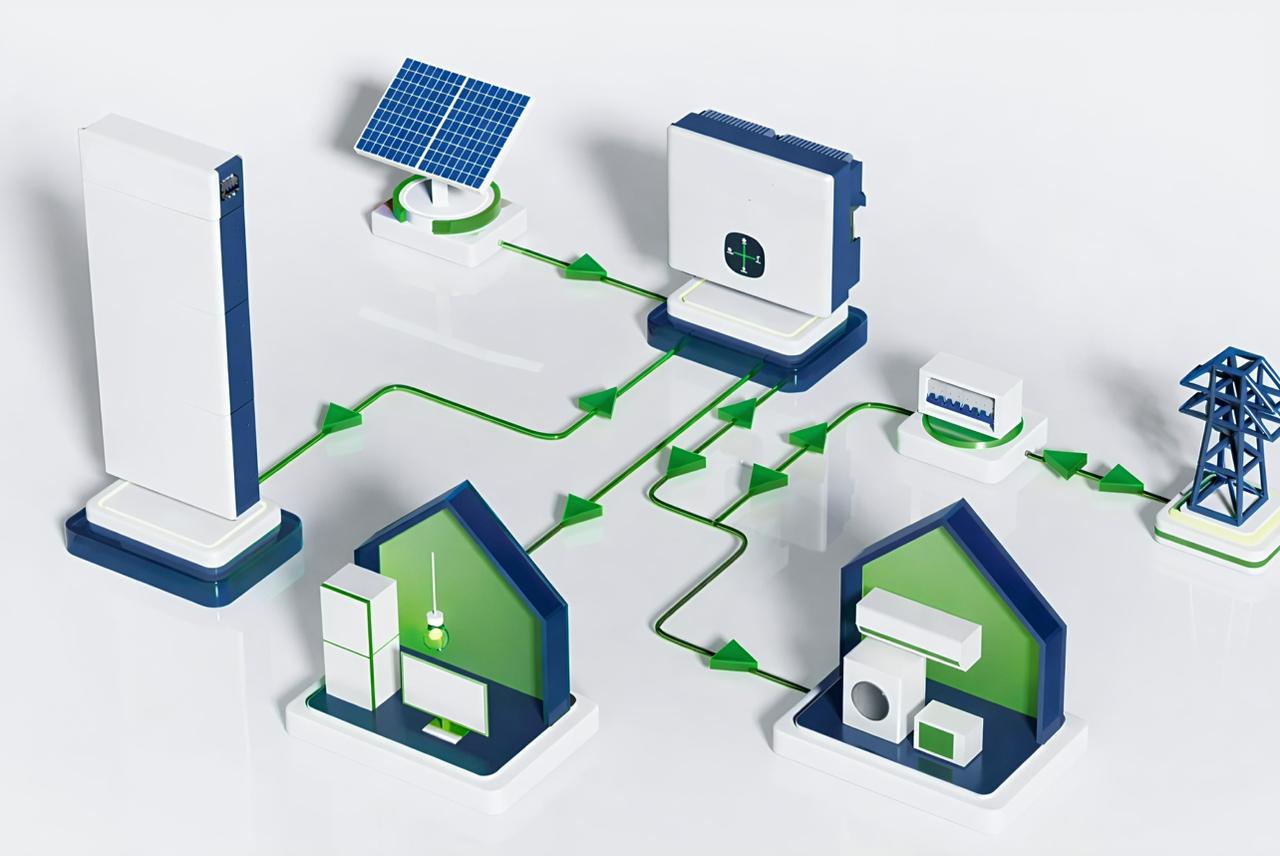
An on-grid solar system, also called a grid-connected or grid-tied solar system, is a photovoltaic (PV) system that is directly connected to the public electricity grid. This system generates electricity through solar panels and supplies it to the property while also interacting with the utility grid.
During the daytime, solar panels produce electricity that can power homes, businesses, or industrial operations. If the solar system generates more electricity than required, the excess power is exported to the utility grid. When solar production is low—such as at night or during cloudy weather—the system automatically draws electricity from the grid to meet the energy demand.
Unlike off-grid solar systems, which operate independently and require battery storage, on-grid systems rely on the utility grid as a backup power source. This makes them a more cost-effective and practical option for many residential and commercial users.
Key Components of an On-Grid Solar System
An on-grid solar power system consists of several important components that work together to generate and distribute solar energy efficiently.
Solar Power Generation
Solar panels absorb sunlight and convert it into DC electricity. These panels are usually installed in areas with maximum sunlight exposure to improve energy production.
DC to AC Conversion
Since most electrical appliances operate on AC power, the inverter converts the DC electricity produced by the panels into AC electricity.
Powering the Property
The converted AC electricity is supplied to the building and used to power appliances, lighting, and other electrical equipment.
Exporting Excess Energy
If the solar system generates more electricity than the building consumes, the additional power is exported to the utility grid through net metering.
Drawing Electricity from the Grid
When solar generation is low such as during nighttime or cloudy weather the property automatically draws electricity from the grid to maintain a continuous power supply.
How an On-Grid Solar System Works
An on-grid solar system operates through a coordinated process to convert sunlight into usable electricity.
Lower Initial Investment
Since these systems do not require battery storage, the installation cost is generally lower compared to off-grid systems.
Continuous Power Availability
Being connected to the utility grid ensures that electricity is always available when solar production is insufficient.
Net Metering Benefits
Excess electricity exported to the grid can generate credits, reducing electricity bills and improving financial savings.
Government Incentives
Many governments provide subsidies, tax benefits, and incentives to encourage the adoption of solar energy.
Low Maintenance
On-grid systems are relatively simple and require minimal maintenance since there are no batteries involved.
Advantages of On-Grid Solar Systems
On-grid solar systems offer several benefits for residential, commercial, and industrial users.
Dependence on the Utility Grid
During power outages, the system usually shuts down for safety reasons unless additional backup systems are installed.
Limited Energy Independence
Since the system remains connected to the grid, it does not provide complete independence from the utility provider.
Cost Efficiency & Net Metering Benefits
On-grid systems are generally more cost-effective as they do not require batteries. They also allow users to export excess electricity to the grid through net metering, reducing overall electricity bills.
Limitations of On-Grid Solar Systems
Although on-grid systems are efficient and economical, they do have certain limitations.
Dependence on the Utility Grid
During power outages, the system usually shuts down for safety reasons unless additional backup systems are installed.
Limited Energy Independence
Since the system remains connected to the grid, it does not provide complete independence from the utility provider.
No Energy Storage Capability
On-grid systems typically do not include batteries, which means excess energy cannot be stored for later use and cannot be utilized during night time or power failures.
Conclusion
On-grid solar systems provide an effective way to harness renewable energy while maintaining the reliability of the utility grid. They help reduce electricity costs, promote sustainability, and support the transition toward clean energy.
By choosing Ganesh Green Bharat Limited, customers can benefit from efficient solar technology and dependable energy solutions that contribute to a greener and more sustainable future.
What is an Off-Grid Solar System?
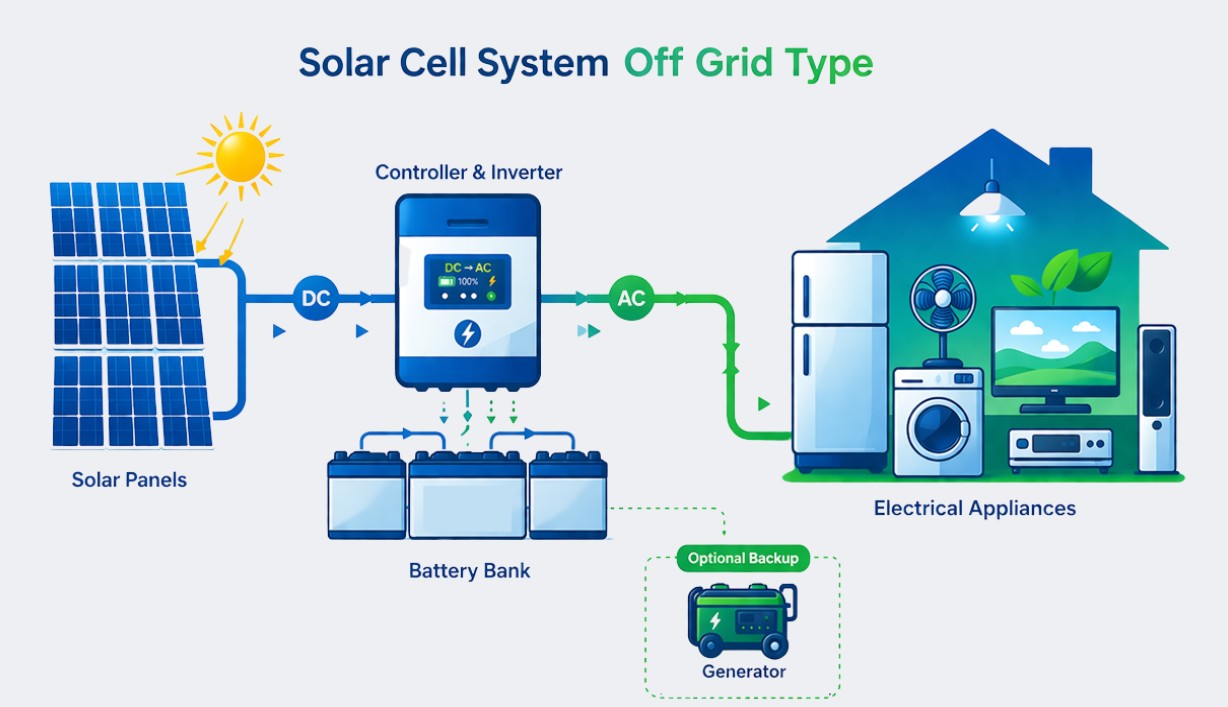
An off-grid solar system is a self-sustaining power solution designed to operate independently without any connection to the utility grid. It uses solar panels to generate Direct Current (DC) electricity, which is stored in batteries for later use. An off-grid solar inverter plays a crucial role by converting this stored DC power into Alternating Current (AC), making it suitable for running household, commercial, or industrial appliances. These systems are especially beneficial in remote or rural areas where grid electricity is unavailable or unreliable.
Key Components
Solar PV Panels
These panels capture sunlight and convert it into Direct Current (DC) electricity, which is the primary source of power for the system.
Battery Bank
Batteries store excess electricity generated during the day for use at night or during low sunlight conditions, ensuring continuous power supply.
Off-Grid Inverter
The inverter converts stored DC electricity from batteries into Alternating Current (AC) to run household or industrial appliances.
Mounting Structure
Provides support and proper alignment for solar panels to maximize sunlight exposure and energy generation.
Charge Controller (MPPT/PWM)
This component regulates the flow of electricity from solar panels to batteries, preventing overcharging and improving system efficiency.
Backup Generator
A generator can be integrated to supply power during extended periods of low sunlight or high energy demand.
Cabling & Electrical Accessories
Includes wires, connectors, protection devices, and distribution systems required for safe and efficient power flow
How an Off-Grid Solar System Works
An off-grid solar system works independently without being connected to the utility grid, providing complete energy self-sufficiency.
Independent Operation
An off-grid solar system operates completely independently without being connected to the utility grid. It provides full energy self-sufficiency, making it ideal for remote areas where grid electricity is unavailable or unreliable.
Energy Generation (Solar Panels)
The process begins when solar panels capture sunlight and convert it into Direct Current (DC) electricity. This is the primary source of energy that powers the entire system.
Power Regulation (Charge Controller)
The generated electricity is passed through a charge controller, which regulates the flow of power and ensures safe and efficient charging of the battery bank. It also protects the system from overcharging and voltage fluctuations.
Energy Storage (Battery Bank)
The battery bank stores excess electricity generated during the day. This stored energy is used at night or during cloudy weather, ensuring a continuous power supply even when sunlight is not available.
Power Conversion (Off-Grid Inverter)
The stored DC electricity is then converted into Alternating Current (AC) by the off-grid inverter. This AC power is used to run household, commercial, or industrial appliances efficiently.
Backup Support (Optional Generator)
In situations where solar energy is insufficient for an extended period or when energy demand is high, a backup generator can be used to recharge the batteries and maintain uninterrupted power supply.
Overall Benefit
An off-grid solar system ensures reliable, uninterrupted, and independent power. It is a sustainable and cost-effective solution, especially for areas with limited or no access to conventional electricity.
Benefits of Off-Grid Solar System
Complete Energy Independence
Off-grid systems operate without reliance on the utility grid, providing full control over energy generation and usage.
Uninterrupted Power Supply
With battery storage, these systems ensure continuous electricity even during power outages, at night, or in remote areas
Ideal for Remote Locations
Perfect for areas where grid connectivity is unavailable or expensive, making them highly suitable for rural and isolated regions.
Limitations of Off-Grid Solar System
High Initial Investment
Off-grid systems require batteries and additional components, increasing the overall installation cost.
Maintenance of Batteries
Battery banks require regular maintenance and eventual replacement, adding to long-term costs.
Dependence on Weather Conditions
Energy generation depends on sunlight, and during prolonged cloudy weather, power availability may reduce without proper backup systems.
Conclusion
At Ganesh Green Bharat Limited, we believe off-grid solar inverter systems are a powerful solution for achieving energy independence and sustainability. By combining advanced solar technology with efficient battery storage, we provide reliable and cost-effective energy solutions tailored for remote and off-grid applications. Our goal is to empower individuals and businesses with clean, uninterrupted power while contributing to a greener and more sustainable future.
Solar Water Pumping System
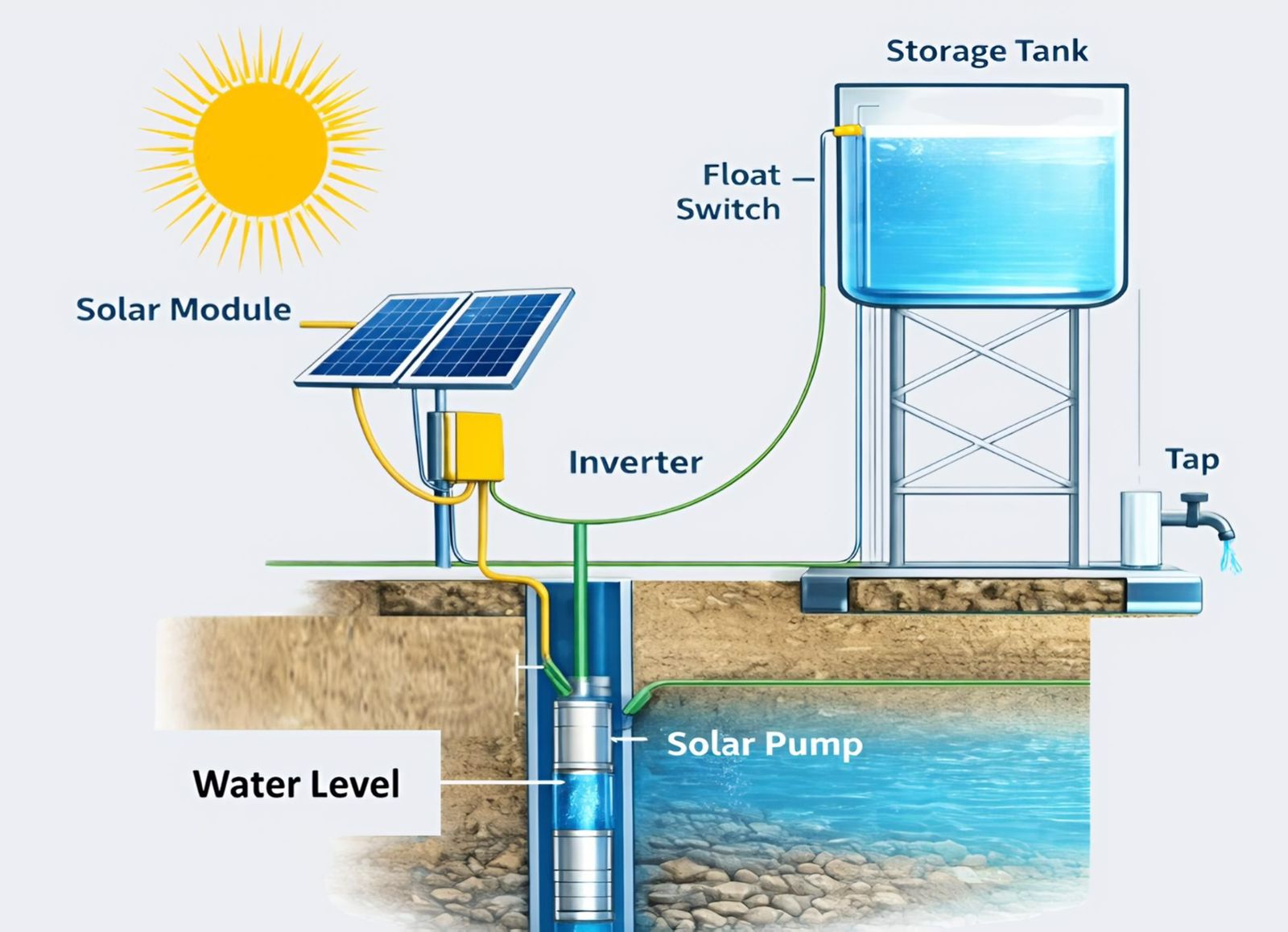
A Solar Water Pumping System is an efficient and sustainable solution that uses solar energy to pump water for various applications. It consists of photovoltaic (PV) panels that generate electricity to power an electric motor, which drives a surface or submersible pump. These systems are widely used for agricultural irrigation, livestock watering, and drinking water supply, especially in rural and remote areas where conventional electricity is limited or expensive.
The system works by converting sunlight into Direct Current (DC) electricity, which directly operates the pump or is regulated through a controller for better efficiency. Solar water pumps are highly reliable, require minimal maintenance, and eliminate fuel costs, making them a cost-effective long-term solution. By reducing dependency on diesel and grid electricity, they support sustainable agriculture and ensure c
Key Components
Solar PV Panels
Capture sunlight and convert it into Direct Current (DC) electricity, which powers the entire system.
Pump Controller (VFD/MPPT Controller)
Acts as the brain of the system by regulating voltage and current, optimizing performance, and protecting the pump from issues like dry running or voltage fluctuations.
Electric Motor & Pump
The motor uses solar energy to drive the pump, which extracts water. Pumps can be submersible (for deep wells) or surface pumps (for shallow water sources).
Mounting Structure
Provides support to solar panels and ensures they are positioned at the optimal angle for maximum sunlight exposure.
Piping System
Carries water from the source (borewell, pond, river) to the required destination such as fields or storage tanks
Water Storage Tank
Stores pumped water for use during non-sunny hours or when demand is high.
Cables & Electrical Accessories
Includes wiring, connectors, and protection devices that ensure safe and efficient power transmission throughout the system.
How It Works
Solar Energy Capture
Solar panels absorb sunlight and convert it into Direct Current (DC) electricity. This is the primary source of energy that powers the entire system.
Power Generation
The generated DC electricity is produced instantly at the site. This eliminates the need for grid electricity or external power sources.
Power Regulation
The controller manages voltage and current for efficient system performance. It protects the motor from issues like overload, dry running, or fluctuations.
Motor Activation
The regulated power is supplied to the electric motor. The motor starts operating and drives the pump efficiently.
Water Delivery & Usage
The extracted water is used for irrigation, storage, or other applications. This ensures a reliable and continuous water supply during sunlight hours
Water Extraction
The pump draws water from sources like borewells, ponds, or reservoirs. Water is then transported through pipes to the required destination.
Benefits of Solar Water Pumping System
Cost-Effective Operation
Solar pumps eliminate fuel and electricity costs, making them highly economical over time. A one-time investment ensures long-term savings with minimal operational expenses.
Reliable & Uninterrupted Water Supply
They provide consistent water flow during sunlight hours without dependency on the grid. Ideal for irrigation and rural applications where power supply is unreliable.
Eco-Friendly Solution
Solar pumps use clean energy, producing zero emissions and reducing carbon footprint. They promote sustainable agriculture and environmentally responsible practices.
Limitations of Solar Water Pumping System
High Initial Investment
The upfront cost of solar panels and system installation can be relatively high. However, long-term savings usually offset this initial expense.
Weather Dependency
Performance depends on sunlight availability, reducing efficiency during cloudy days. Water output may vary based on seasonal and weather conditions.
Space Requirement
Requires adequate open space for installing solar panels with proper sun exposure. Not suitable for areas with shading from trees, buildings, or other obstructions.
Conclusion
At Ganesh Green Bharat Limited, we offer advanced Solar Water Pumping Systems designed to deliver reliability, efficiency, and sustainability. Our solutions help farmers and rural communities achieve energy independence while reducing operational costs. With a focus on quality and performance, we are committed to empowering agriculture and water accessibility through clean solar energy.
Ground Mounted Solar System
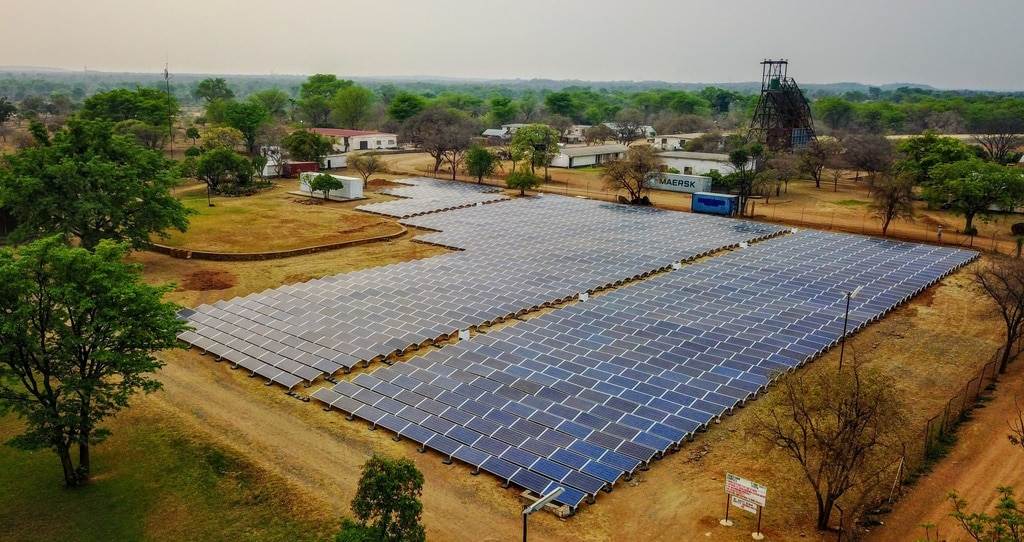
A Ground-Mounted Solar System is a renewable energy installation where solar panels are securely mounted on the ground using metal frames or poles, instead of rooftops. These systems are highly scalable and are widely used for utility-scale solar farms, commercial projects, and large residential properties with sufficient open land.
Key Components
Solar PV Modules
Capture sunlight and convert it into Direct Current (DC) electricity. These are the primary energy-generating components of the system.
Module Mounting Structure (MMS)
A sturdy metal framework fixed to the ground using piles, screws, or concrete foundations. It supports the panels and ensures optimal tilt and alignment for maximum sunlight exposure.
Inverter
Converts DC electricity generated by solar panels into Alternating Current (AC). This AC power is used to run electrical equipment or supplied to the grid.
Foundation System
Includes concrete piers, driven piles, or ground screws that anchor the structure securely. Ensures system stability against wind, load, and environmental conditions.
DC & AC Cabling
Transfers electricity from solar panels to the inverter and further to the distribution system. Designed for safe, efficient, and reliable power transmission.
Combiner Box / Junction Box
Combines output from multiple solar panel strings into a single line. Provides protection and simplifies wiring management.
Monitoring System
Tracks system performance, energy generation, and efficiency in real-time. Helps in maintenance and performance optimization.
Earthing & Protection System
Includes grounding, surge protection, and safety devices. Protects the system from electrical faults, lightning, and voltage fluctuations.
How a Ground-Mounted Solar System Works
Solar Energy Capture
Solar panels installed on ground-mounted structures capture sunlight. They convert sunlight into Direct Current (DC) electricity.
DC Power Generation
The generated DC electricity flows through cables from the panels. This power is collected and directed towards the inverter system.
Power Conversion (Inverter)
The inverter converts DC electricity into Alternating Current (AC). AC power is suitable for running electrical equipment and grid supply.
Power Distribution
The converted AC power is supplied to the facility or connected to the grid. It can be used for commercial, industrial, or utility-scale applications.
Net Metering / Grid Interaction (If Connected)
Excess electricity generated can be exported to the grid. Users can earn credits or reduce electricity bills through net metering.
Monitoring & Performance Optimization
The system is monitored in real-time to track energy generation and efficiency. This helps ensure optimal performance and timely maintenance
Advantages of Ground-Mounted Solar System
Higher Efficiency
Ground-mounted systems can be positioned at the optimal angle for maximum sunlight exposure. This results in better energy generation compared to rooftop systems.
Scalability & Flexibility
They are highly scalable and can be expanded based on energy requirements. Ideal for commercial, industrial, and utility-scale installations.
Easy Maintenance
Panels are easily accessible for cleaning and servicing. This ensures better performance and longer system life.
Limitations of Ground-Mounted Solar System
Land Requirement
Requires a large open area with proper sunlight exposure. Not suitable for locations with limited space or heavy shading.
Higher Initial Setup Cost
Installation involves additional costs for land preparation and mounting structures. This can make it more expensive than rooftop systems initially.
Space Utilization Concerns
Occupies usable land which could be used for other purposes. May not be ideal for residential areas with limited property space.
Conclusion
At Ganesh Green Bharat Limited, we deliver high-performance ground-mounted solar solutions designed for efficiency, scalability, and long-term reliability.
Our expertise ensures optimal system design and execution, helping businesses maximize energy output while contributing to a sustainable and greener future.
Solar Home Lighting System
Driven by our unwavering commitment to innovation and a relentless pursuit of simplifying and enhancing lives, we proudly introduce our Solar Home Lighting System. This intelligent solution is tailored for residents in remote areas where grid access is a challenge, making the provision of electricity a formidable task. We firmly believe that access to electricity is a fundamental necessity that no one should be denied.
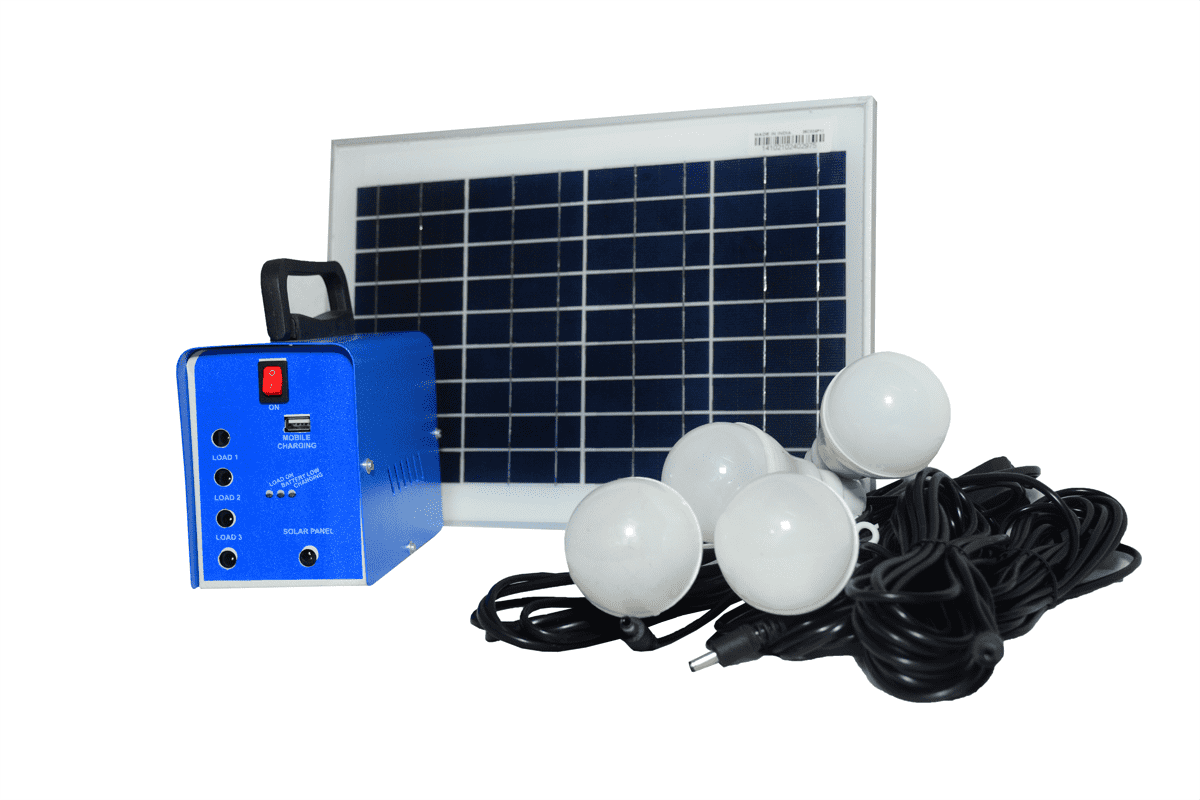
Key Components
Lithium ion phosphate battery pack (lithium battery)
A high-performance battery for efficient energy storage.
LED lights
Energy-efficient lighting for illumination.
BLDC motor fan
A fan powered by energy efficiency.
Solar panel (module)
Harnessing the sun's energy for power.
Conclusion
Our Solar Home Lighting System serves this purpose admirably and has already been embraced by the Government of India within various schemes designed to enhance the quality of life.
Solar Street Lighting System
Key Components
Conclusion
Dedicated customer teams & agile services
Our wider presence ensures the timeliness, cost efficiency compliance adherence required to ensure your project timelines are met